
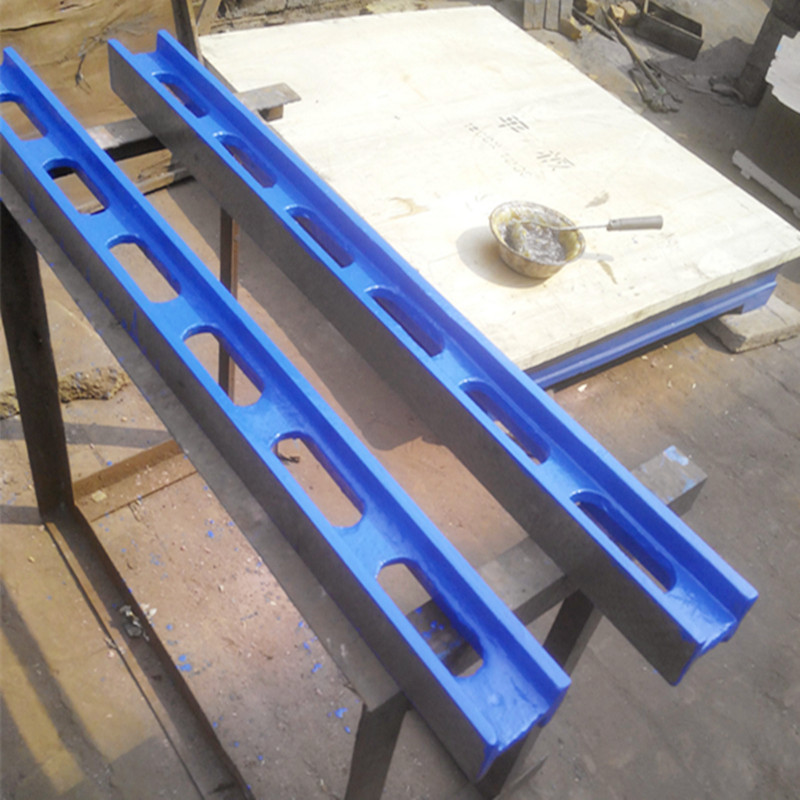
5 mm glass sheet
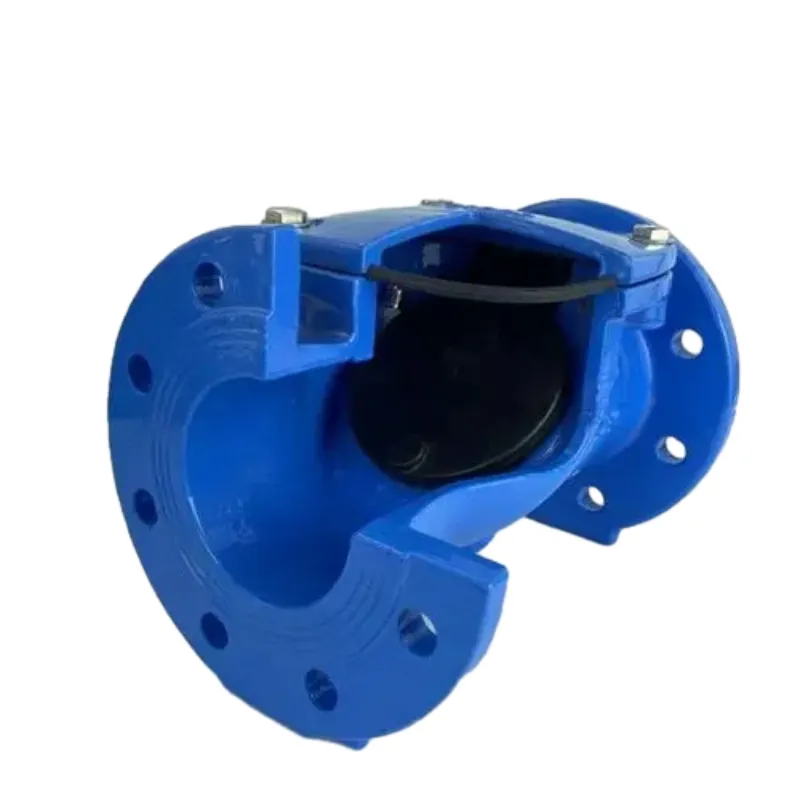
In the world of fluid dynamics and systems engineering, the role of valves is paramount. Among the various types of valves used in industrial applications, the slow-closing check valve stands out as a critical component for enhancing system efficiency and safeguarding equipment. In this article, we will delve into the function, benefits, and applications of slow-closing check valves, providing a comprehensive understanding of their importance in various fluid systems. What is a Slow Closing Check Valve? A slow closing check valve is a mechanical device designed to prevent backflow in a piping system while allowing fluid to flow in one direction. Unlike traditional check valves, which may slam shut abruptly, slow closing check valves feature a mechanism that enables them to close gradually. This controlled closure is vital for reducing water hammer effects and preventing sudden pressure surges within the system, thereby increasing the longevity of the piping infrastructure and associated equipment. Benefits of Slow Closing Check Valves 1. Reduced Water Hammer: One of the significant advantages of using a slow closing check valve is its ability to mitigate water hammer. When a valve closes too quickly, it can create a shockwave in the fluid system, resulting in banging or vibrations that can damage pipes and joints. The gradual closure mechanism of slow closing check valves minimizes this issue, leading to a more stable operation. 2. Enhanced System Efficiency: Slow closing check valves help maintain the flow rate and pressure within a system by preventing backflow without causing disruptions. This ensures optimal performance of pumps and other equipment, leading to energy savings and reduced operational costs. 3. Extended Equipment Life: By minimizing the risks of hydraulic shocks, slow closing check valves contribute to a longer lifespan for pumps, compressors, and other apparatus in the system. The reduced mechanical stress translates to fewer maintenance requirements and downtime, further enhancing operational efficiency. Applications of Slow Closing Check Valves Slow closing check valves are versatile components used across various industries, including: - Water Distribution Systems: In municipal water supply and wastewater management systems, these valves prevent backflow and protect water quality by ensuring contaminants do not enter the clean water supply. - Industrial Processes: In manufacturing and processing facilities, slow closing check valves help maintain consistent flow rates, prevent backflow, and protect equipment from damage due to fluctuating pressures. - HVAC Systems: In heating, ventilation, and air conditioning systems, slow closing check valves are crucial for ensuring that chilled or heated water flows in the intended direction, aiding in efficient temperature control. In conclusion, the slow closing check valve is an essential asset in any fluid management system. Its ability to prevent backflow while minimizing hydraulic shocks makes it an optimal choice for various applications. By investing in high-quality slow closing check valves, industries can enhance system efficiency, reduce maintenance costs, and extend the life of critical equipment. Understanding the importance of these valves is crucial for professionals and engineers involved in designing and maintaining fluid systems. For those looking to optimize their fluid systems, consider the advantages of incorporating slow closing check valves into your infrastructure. By doing so, you will not only improve your system's performance but also ensure a more reliable and durable pipeline operation.
about
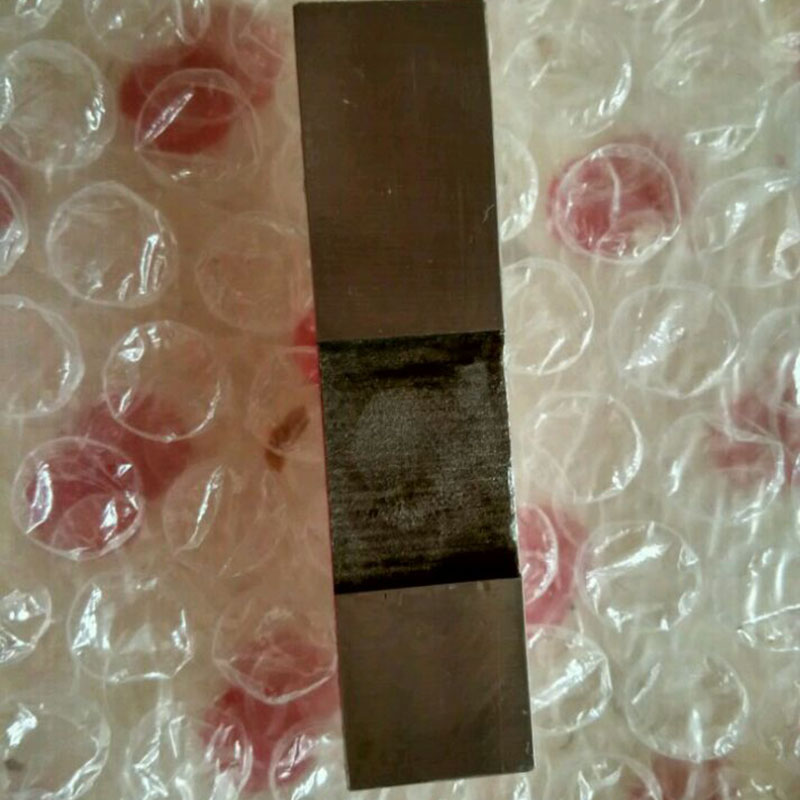
5 mm glass sheet
Understanding the Cost of 250mm Butterfly Valves Factors Influencing Price and Value When it comes to selecting the right valve for an industrial or commercial application, the butterfly valve stands out as a popular choice due to its reliability, efficiency, and affordability. Specifically, the 250mm butterfly valve is a commonly used size across various sectors, including water treatment, chemical processing, and HVAC applications. Understanding the pricing of these valves is essential for making informed procurement decisions. In this article, we will explore the various factors that influence the price of 250mm butterfly valves, helping buyers to gauge the market more effectively. 1. Material Composition The material from which the valve is made plays a significant role in its pricing. Common materials for butterfly valves include cast iron, stainless steel, and PVC. For instance, a butterfly valve constructed from stainless steel will generally be more expensive than a cast iron variant due to the enhanced corrosion resistance and durability provided by stainless steel. Buyers must balance upfront costs with long-term performance, considering the operating environment’s specific demands. 2. Type of Valve There are several types of butterfly valves, including wafer, lug, and flange types. Wafer butterfly valves are typically the most economical, making them a popular choice for many applications. Conversely, lug and flange types offer additional benefits such as easier maintenance and installation but usually come at a higher price. The specific type needed will greatly impact the overall cost of the valve. 3. Features and Specifications The features and specifications of a 250mm butterfly valve can also significantly affect its price. Valves with additional functionalities, such as electric or pneumatic actuators, position indicators, or more sophisticated sealing mechanisms, will generally be more expensive than standard models. Additionally, the pressure rating, temperature tolerance, and flow characteristics are critical factors that influence the final cost. It is vital for buyers to assess their specific requirements and determine which features are essential for their operations. 250mm butterfly valve price 4. Brand Reputation Brand reputation can greatly impact the price of butterfly valves in the market. Established manufacturers that are known for their quality and reliability may price their products higher due to brand trust and warranties offered. Conversely, lesser-known brands may offer lower prices but could potentially compromise on quality. It’s advisable for buyers to conduct thorough research and consider reviews and recommendations before making a selection. 5. Market Conditions Like many industrial products, the price of 250mm butterfly valves can be affected by market dynamics, including supply chain factors, raw material costs, and economic conditions. Fluctuations in the prices of raw materials such as metals or plastics can lead to price adjustments in finished products. Additionally, global events that disrupt supply chains or increase production costs can have a cascading effect on valve prices. 6. Purchase Volume Finally, the volume of valves being purchased can also influence their pricing. Many suppliers offer bulk discounts, making larger orders more cost-effective per unit. For organizations needing multiple valves for a project, negotiating pricing based on volume can lead to significant savings. Conclusion In summary, the price of 250mm butterfly valves is influenced by a multitude of factors, including material composition, valve type, features, brand reputation, market conditions, and purchase volume. By understanding these elements, buyers can make well-informed decisions that not only align with their budget but also meet their operational needs. Ultimately, investing in the right valve is crucial for ensuring long-term functionality and efficiency in any system. Therefore, careful consideration of the aforementioned factors is essential in making a wise purchase that balances cost and value.
-

High quality industrial productsagement

High quality industrial products
View Details -

Meet the diverse needs of customers

Meet the diverse needs of customers
View Details -

Strict quality control

Strict quality control
View Details -

Top raw materials

Top raw materials
View Details -

Trusted supplier

Trusted supplier
View Details
Our application


news and information

Valve de 10 pouces
Les vannes à papillon de 10 pouces jouent un rôle crucial dans la gestion des fluides dans divers sy

Y Type Strainer Applications in Industrial Water Filtration
Industrial water filtration is a critical process for maintaining operational efficiency, equipment
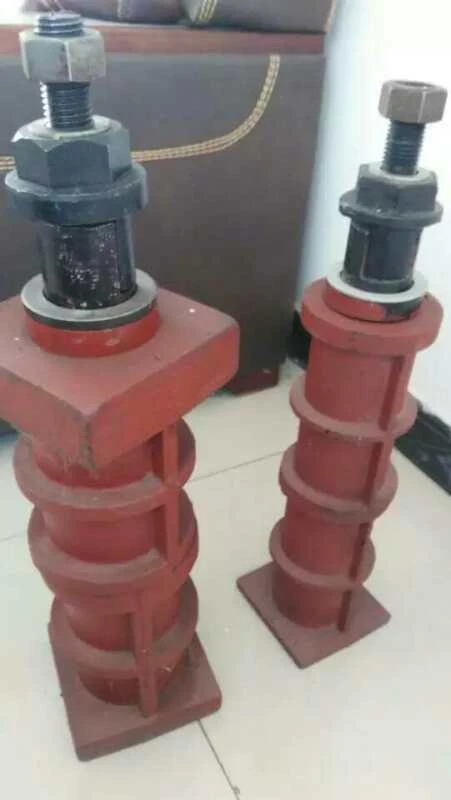
Vòng vít đo
Đồ đo độ dày của vòng và vít Công cụ thiết yếu trong ngành công nghiệp Trong ngành công nghiệp hiện
 English